Choosing the right materials can be the difference between a complex project succeeding or falling short. When precision, durability, and long-term performance are non-negotiable, selecting the right material becomes essential.
In this article we will explore aluminium profiles in New Zealand and how to choose the right option for complex applications. Whether you’re designing for marine environments, transport systems, or architectural projects, understanding product specifications and knowing what to look for in a reliable supplier is critical to achieving consistent, high-quality results.
Below are the key considerations that engineers, fabricators, and procurement teams should keep in mind when selecting aluminium profiles for demanding projects.
1. Material Grade and Application Fit
Not all aluminium alloys perform the same, and choosing the right grade is fundamental. Each alloy offers different strengths, corrosion resistance levels, and fabrication characteristics.
For example:
● Marine-grade alloys like 5052 and 5083 are preferred in coastal or offshore environments due to their superior corrosion resistance.
● 6061 alloy is widely used in engineering applications for its balance of strength, machinability, and weldability.
● 7075 alloy, while extremely strong, may not be suitable where welding is required.
Understanding how the profile will be used—whether load-bearing, decorative, or exposed to harsh conditions—should guide your selection. A mismatch here can lead to premature failure or unnecessary cost.
2. Manufacturing Capability and Precision
Complex projects demand tight tolerances and consistent quality across large volumes. This is where the manufacturer’s capability becomes a deciding factor.
Look for suppliers that offer:
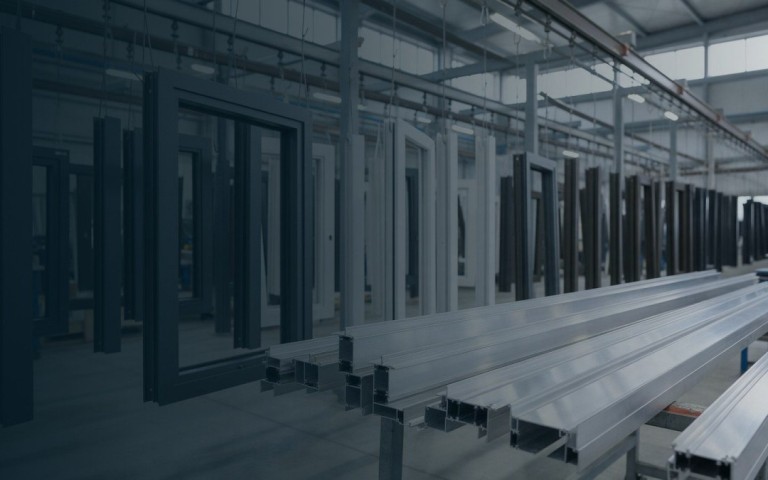
● Advanced extrusion presses capable of handling varying die sizes
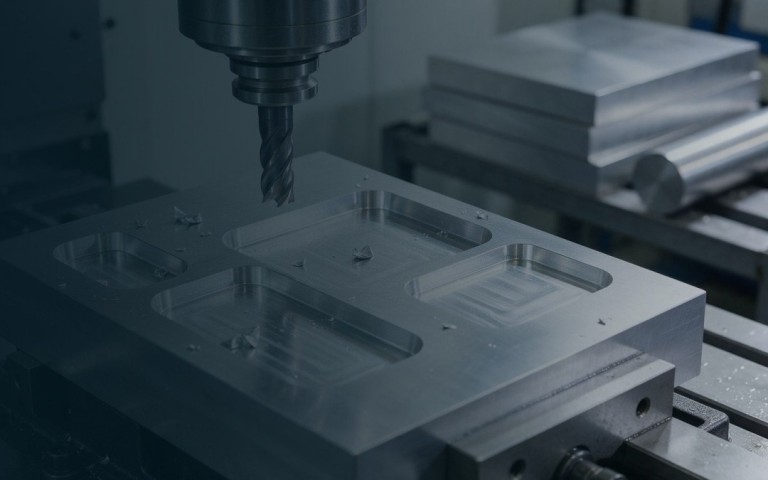
● CNC routing and machining for high-precision cutting
● Integrated fabrication services, including drilling and punching
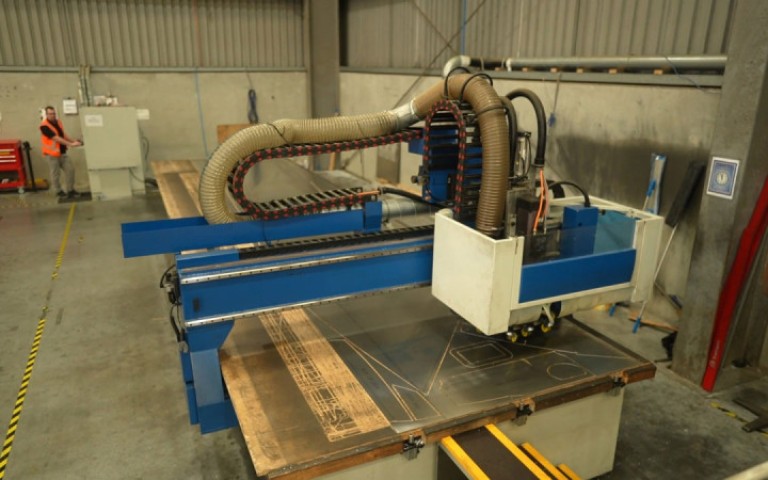
High-end CNC router systems, for instance, can process aluminium sheets and extrusions with exceptional accuracy while maintaining clean edges and avoiding heat-affected zones. This directly improves weld strength and reduces the need for post-processing.
Precision is not just about measurement—it affects how well components fit together on-site, how much rework is required, and ultimately, how efficiently your project progresses.
3. Customisation and Die Design Expertise
Standard profiles don’t always meet the needs of complex builds. In many cases, custom extrusion is the only way to achieve the desired structural or aesthetic outcome.
A capable supplier should be able to:
● Assist with custom die design and modification
● Provide technical input during early design stages
● Recommend alloy selection based on performance requirements
Custom extrusion allows for greater design flexibility, enabling engineers to integrate multiple functions into a single profile. This can reduce assembly time, minimise material waste, and improve overall efficiency.
4. Surface Finishing Options
Surface finishing is often overlooked during sourcing, yet it plays a major role in both performance and appearance.
Common finishing options include:
● Anodising for enhanced corrosion resistance and a refined matte finish
● Powder coating for colour consistency and additional protection
● Mill finish for applications where further processing is required
High-quality anodising processes, such as matt etch treatments, can remove surface imperfections and deliver a uniform appearance with reduced reflectivity. Similarly, powder coating systems operating to recognised standards ensure durability across varied environmental conditions.
For projects exposed to the elements, or where visual consistency is important, finishing should be specified early—not treated as an afterthought.
5. Supply Chain Reliability and Nationwide Support
Delays in material supply can have a cascading effect on project timelines. This makes supply chain reliability just as important as product quality.
When evaluating suppliers, consider:
● Their distribution network coverage
● Availability of stock across multiple locations
● Ability to handle both standard and indent orders
A well-established supplier with distribution centres across key regions can significantly reduce lead times and improve responsiveness. For ongoing or large-scale projects, this level of support ensures continuity and reduces the risk of downtime.
In the context of aluminium profiles in New Zealand, local availability is a major advantage, especially when compared to imported alternatives that may be subject to shipping delays or inconsistent quality.
6. Sustainability and Material Sourcing
Sustainability is no longer a secondary consideration. Many projects—particularly in construction and infrastructure—now require materials with a lower environmental impact.
New Zealand has a distinct advantage in this space. Aluminium produced locally using hydroelectric power has a significantly lower carbon footprint compared to global averages. Sourcing profiles derived from such processes can contribute to greener project outcomes and help meet environmental targets.
Additionally, aluminium’s recyclability adds to its appeal. It can be reused without losing its core properties, making it a practical choice for long-term sustainability.
7. Range of Products and Value-Added Services
Complex projects rarely rely on a single product type. Instead, they require a combination of profiles, sheets, plates, and fabricated components.
Working with a supplier that offers a comprehensive product range can simplify procurement and ensure compatibility across materials. This might include:
● Extruded profiles
● Sheet and plate in various thicknesses
● Coil and treadplate options
● Perforated aluminium for specialised applications
Value-added services such as in-house cutting, nested CNC routing, and fabrication further streamline the process. These services reduce handling time, minimise waste, and allow components to arrive ready for installation.
Even something as simple as protective solutions—like urethane bending tape used during press brake operations—can improve final finish quality and reduce rework.
8. Cost Efficiency Beyond Initial Price
Price is always a factor, but focusing solely on upfront cost can be misleading. True cost efficiency comes from evaluating the entire lifecycle of the material.
Consider:
● Reduced labour through precise fabrication
● Lower maintenance due to corrosion resistance
● Improved installation speed with custom profiles
● Decreased material waste through optimised cutting
A slightly higher initial investment in a well-designed aluminium profile system can result in significant savings over time. This is particularly relevant when sourcing an aluminum profile for high-performance applications where durability and precision are critical.
9. Industry Experience and Technical Support
Finally, experience matters. Suppliers with a long history in the aluminium sector bring valuable insights that go beyond product supply.
They can:
● Identify potential design issues early
● Suggest more efficient fabrication methods
● Provide guidance on compliance and standards
This level of support is especially useful in complex projects where multiple variables are at play. A collaborative approach between supplier and client often leads to better outcomes and fewer surprises during execution.
Engineered for Excellence: Why Choose Altus® Industrial Aluminium
At Altus® Industrial Aluminium, we deliver more than just materials. We provide complete aluminium solutions tailored to your needs. With our nationwide distribution network and advanced manufacturing facilities in Hamilton, we ensure precision, consistency, and timely delivery. We offer everything from extrusions and sheet to fabrication and surface finishing, backed by ISO-certified quality and sustainable practices. By partnering closely with our customers, we help turn concepts into high-performing, reliable outcomes across industries.
Final Thoughts
Sourcing aluminium profiles for complex projects requires a balanced approach—one that considers technical performance, supply reliability, sustainability, and long-term value. From selecting the right alloy to ensuring precise fabrication and consistent finishing, every decision has an impact on the final result.
For premium aluminium profiles in New Zealand, Altus® Industrial Aluminium offers a proven solution. Our range of high‑performance profiles helps businesses deliver projects efficiently, with materials designed to perform reliably and stand the test of time.