Aluminium profiles: A complete guide to types, uses, and benefits
Aluminium profiles are among the most widely used engineered materials in modern construction, manufacturing, and design. Their combination of strength, light weight, and versatility makes them suitable for everything from architectural framing to heavy-duty industrial systems. Whether used in large infrastructure projects or small custom fabrications, aluminium profiles provide a reliable and adaptable solution for a wide range of applications. In fact, demand for aluminium profiles in NZ continues to grow as industries look for durable, efficient, and sustainable building materials.
At their core, aluminium profiles are created through a process called extrusion, where heated aluminium is forced through a shaped die to produce a continuous cross-sectional profile. This allows manufacturers to create highly precise and repeatable shapes such as channels, tubes, angles, and complex custom geometric shapes. The result is a material that can be engineered to meet specific performance requirements while remaining easy to fabricate and assemble.
Understanding the manufacturing process
The production of aluminium profiles begins with raw aluminium alloy billets. These are heated to a malleable temperature and then pushed through a steel die under high pressure. The shape of the die determines the final profile design, whether it is a simple square tube or a more complex structural form.
Once extruded, the profile is cooled, stretched to remove internal stress, and cut to required lengths. Depending on its intended use, it may also undergo finishing processes such as anodising or powder coating to improve corrosion resistance and surface appearance.
This manufacturing method provides a significant advantage: it allows for both standard and highly customised shapes to be produced with excellent dimensional accuracy. As a result, aluminium profiles in NZ are widely used in industries that require precision and consistency.
Common types of aluminium profiles
Aluminium profiles come in a variety of shapes and structural forms, each designed for specific applications. Some of the most commonly used types include:
1. Hollow sections
Square, rectangular, and round hollow profiles are widely used in construction, furniture, and transport systems. Their closed shape provides excellent strength while keeping weight low.
2. Channels and angles
U-shaped channels and L-shaped angles are essential for framing, edging, and support structures. These profiles are especially useful in architectural and industrial assemblies.
3. Solid bars and rods
Flat bars, square bars, and round rods are used in machining, fabrication, and reinforcement tasks where solid structural material is required.
4. Structural profiles
I-beams, T-sections, and Z-sections are designed for load-bearing applications. They are commonly used in frameworks, support systems, and heavy-duty structures.
5. Custom geometric profiles
One of the key strengths of extrusion technology is the ability to create bespoke shapes. Custom profiles are often used in specialised engineering, signage, and architectural projects.
With such a wide range of options, aluminium profiles in NZ are suitable for almost any structural or design requirement.
Key applications across Industries
Aluminium profiles are used across a broad range of industries due to their adaptability and performance characteristics.
Construction and architecture
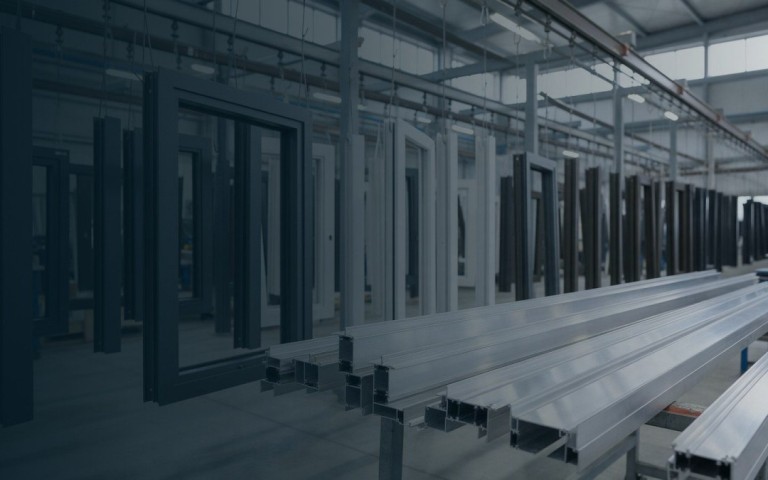
In building projects, aluminium profiles are commonly used for window frames, curtain walls, doors, partition systems, and roofing structures. Their corrosion resistance, which can be further enhanced through the use of appropriate surface finishes, makes them particularly valuable in coastal environments where durability is essential.
Industrial engineering
Factories and production facilities rely on aluminium profiles for machine frames, conveyor systems, workstations, and automation equipment. Modular systems, especially those using slot-based profiles, allow for easy assembly and reconfiguration.
Transport and Marine
Lightweight materials are crucial in transport applications. Aluminium profiles help reduce overall vehicle weight while maintaining structural integrity, improving fuel efficiency and performance. They are also widely used in marine environments due to their resistance to saltwater corrosion.
Furniture and Interior Design
Modern furniture design increasingly uses aluminium profiles for clean, minimalist aesthetics. They are commonly found in shelving systems, office desks, and modular storage solutions.
Signage and display systems
Retail and commercial environments often use aluminium profiles for signage frames, exhibition stands, and display systems due to their sleek appearance and durability.
Across all these sectors, aluminium profiles in NZ continue to play a key role in improving efficiency, design flexibility, and long-term performance.
Benefits of aluminium profiles
Aluminium profiles offer several key advantages that make them a preferred material in many industries.
High strength-to-weight ratio
One of the most important benefits is their ability to provide significant structural strength while remaining lightweight. This reduces transportation costs and makes installation easier without compromising durability.
Corrosion resistance
Aluminium naturally forms a protective oxide layer, and its resistance to rust and corrosion can be further improved through the use of suitable surface finishes, making it particularly beneficial in outdoor and coastal environments.
Design flexibility
The extrusion process allows for highly complex and custom shapes. Engineers and designers can create profiles tailored to exact specifications, improving efficiency and reducing the need for additional components.
Ease of fabrication
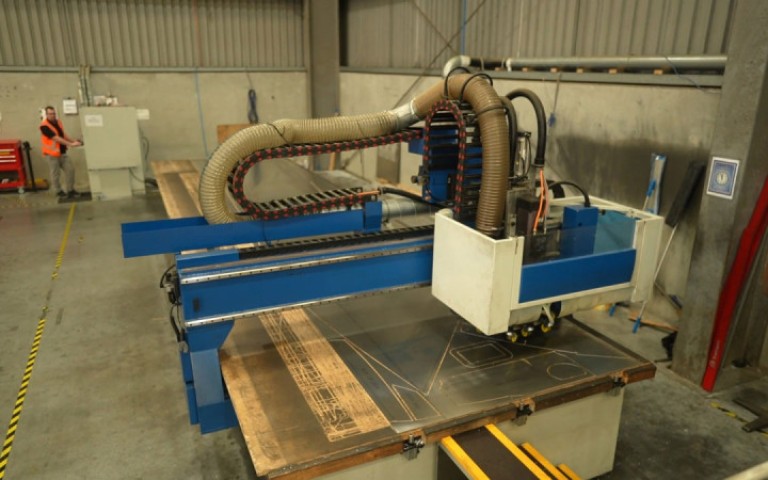
Aluminium profiles can be easily cut, drilled, welded, and assembled. This simplifies manufacturing processes and reduces labour time.
Sustainability
Aluminium is fully recyclable without loss of quality. This makes it a sustainable choice for modern construction and manufacturing practices focused on reducing environmental impact.
These benefits explain why aluminium profiles are increasingly preferred in both traditional and innovative engineering projects.
Finishing and performance enhancements
To improve durability and appearance, aluminium profiles can be treated with various surface finishes. Anodising is commonly used to enhance corrosion resistance while providing a clean metallic finish. Powder coating offers additional colour options and protection, making it ideal for architectural applications.
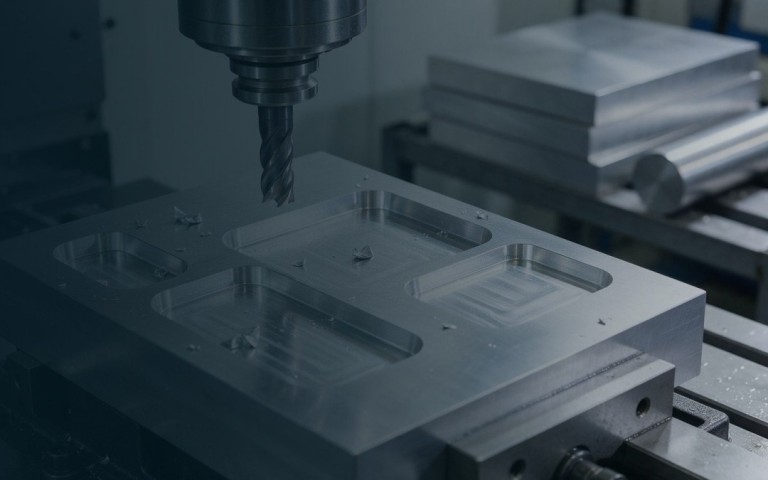
Thermal break technologies and precision machining can also be applied to improve energy efficiency and performance in building systems. These enhancements ensure that aluminium profiles meet the demands of modern engineering standards.
The future of aluminium profiles
As industries continue to prioritise sustainability, efficiency, and modular design, the use of aluminium profiles is expected to expand further. Advances in extrusion technology are enabling even more complex shapes and improved material performance.
From large-scale infrastructure to precision engineering, aluminium profiles offer a balance of practicality and innovation that few materials can match. With ongoing demand and technological improvements, aluminium profiles in NZ will remain a key component in shaping modern construction and industrial design.
Precision aluminium solutions you can rely on
Altus® Industrial Aluminium delivers high-quality extruded aluminium solutions designed for strength, versatility, and performance across diverse industries. With our advanced dual-press operation, rigorous quality control, and extensive range of geometric shapes and profiles, we help bring both standard and custom projects to life. From architectural frameworks to industrial systems, our products are engineered for durability and precision. Trusted for reliability, we proudly supply aluminium extrusion profiles in NZ that meet modern engineering demands, supporting efficient, innovative, and long-lasting design outcomes.
Conclusion
Aluminium profiles have become an essential material across multiple industries due to their strength, versatility, and sustainability. Their ability to be customised into a wide range of shapes makes them suitable for structural, architectural, and industrial applications alike. As modern design continues to evolve, their importance will only increase, particularly in markets where performance and efficiency are critical.
With their proven reliability and adaptability, aluminium profiles in NZ will continue to support the development of smarter, lighter, and more efficient engineering solutions for years to come.
Frequently Asked Questions
1. What are aluminium profiles used for?
Aluminium profiles are used in construction, industrial framing, transport systems, furniture, and architectural applications due to their strength and versatility.
2. How are aluminium profiles manufactured?
They are made through an extrusion process where heated aluminium is forced through a shaped die to create precise cross-sectional profiles.
3. Why are aluminium profiles popular in construction?
They offer a high strength-to-weight ratio, corrosion resistance, and design flexibility, making them ideal for modern building projects.
4. Can aluminium profiles be customised?
Yes, aluminium profiles can be produced in standard or customised shapes to meet specific engineering and architectural requirements.
5. Are aluminium profiles environmentally friendly?
Yes, aluminium is fully recyclable without losing quality, making profiles a sustainable choice for long-term applications.