What is an aluminium channel and how is it used in modern construction?
In modern building and fabrication industries, aluminium has become one of the most widely used materials due to its strength, versatility, and resistance to corrosion. Among its many forms, the aluminium channel plays a crucial role in structural and architectural applications. It is commonly used to create frameworks, supports, trims, and protective edges across a wide range of construction projects.
An aluminium channel in NZ is particularly valued in sectors such as construction, transport, marine, and industrial manufacturing, where both durability and lightweight performance are essential. Its ability to be customised into different shapes and sizes makes it suitable for everything from residential builds to large-scale commercial infrastructure. With growing demand for sustainable and efficient materials, aluminium channels continue to be a preferred solution for engineers, fabricators, and designers looking for reliable performance without excessive weight or maintenance requirements.
Understanding what an aluminium channel is
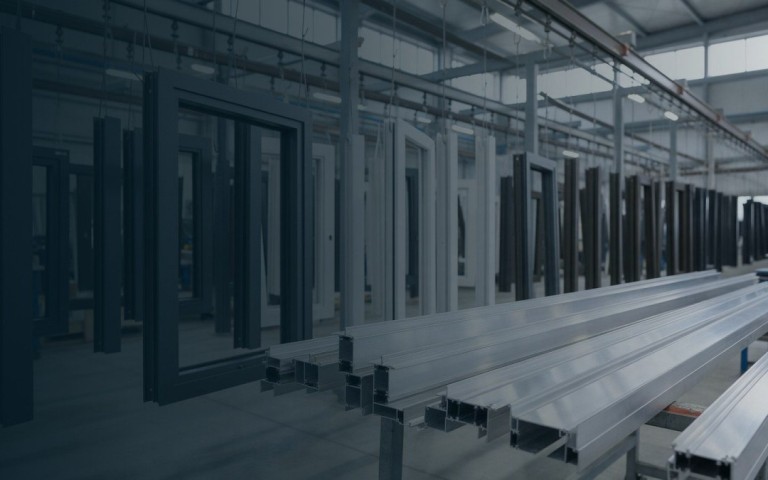
An aluminium channel is an extruded metal profile typically shaped like a “U” or a “C”. It consists of a base and two parallel sides (flanges), forming a channel or groove that can hold, support, or guide other materials. These channels are produced through an extrusion process, where heated aluminium is forced through a shaped die to achieve a consistent cross-sectional profile.
Aluminium channels are manufactured in a variety of grades and alloys, with common options including 6060, 6005, and 6261, depending on the required balance between strength, machinability, and corrosion resistance. They can also be finished in multiple ways, such as mill finish, anodised, or powder-coated surfaces, depending on the intended application.
In construction, aluminium channels are used for both structural and decorative purposes. Structurally, they provide support in framing systems, while aesthetically, they are used for clean edges, trims, and architectural detailing. Their resistance to rust makes them especially suitable for environments exposed to moisture or harsh weather conditions.
Manufacturing and material advantages
The production of aluminium channels relies on advanced extrusion technology. In this process, aluminium billets are heated and pushed through precision-engineered dies, creating uniform profiles with consistent quality. This ensures that each length of channel maintains structural integrity and precise dimensions.
One of the major advantages of aluminium channels is their high strength-to-weight ratio. They are significantly lighter than steel while still providing excellent load-bearing capacity. This makes them easier to transport, handle, and install on-site, reducing labour costs and improving efficiency.
Another key benefit is corrosion resistance. Unlike steel, aluminium naturally forms a protective oxide layer that prevents rusting. This makes it ideal for both indoor and outdoor applications, particularly in coastal or high-humidity environments.
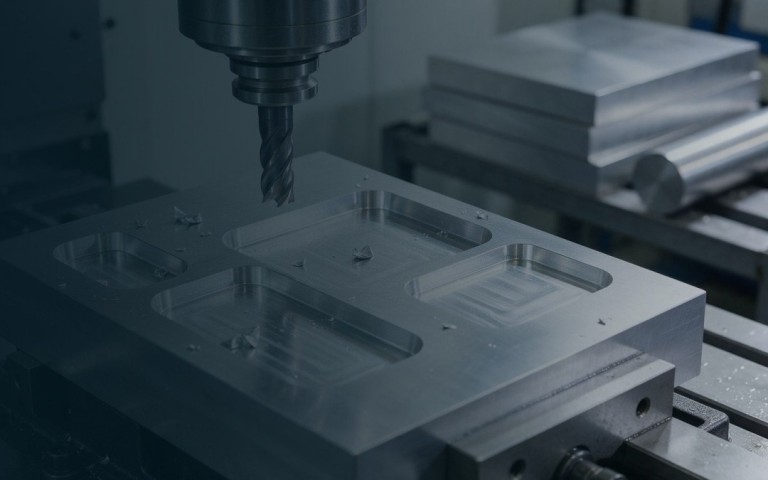
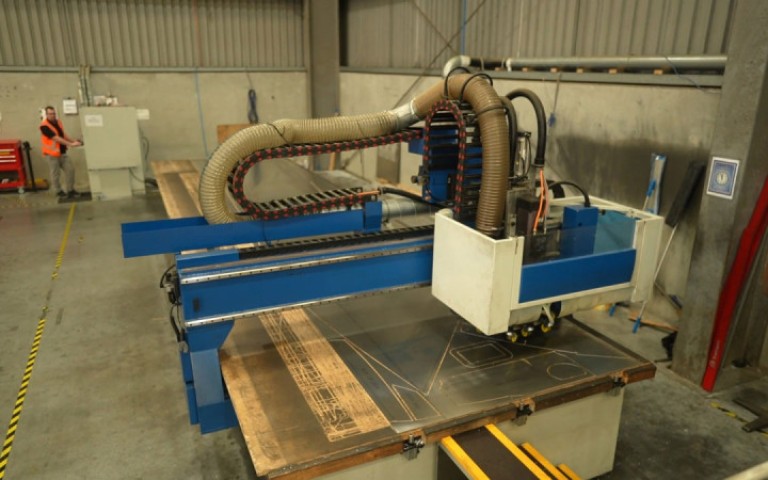
The adaptability of aluminium also allows for easy fabrication. Channels can be cut, drilled, welded, or combined with other components without compromising their strength. This flexibility supports a wide range of design possibilities in modern construction projects.
In many infrastructure projects, aluminium channel in NZ is widely chosen because it supports both performance and sustainability goals. Aluminium is considered to be ‘infinitely recyclable’ as it can be melted down and reformed repeatedly without losing any of its fundamental properties, making it a responsible choice for environmentally conscious construction.
Applications in modern construction
Aluminium channels are used extensively across different areas of construction and engineering. One of the most common applications is in framing systems, where they provide lightweight yet strong structural support for walls, ceilings, and partitions.
They are also widely used in glazing and window systems, where channels act as tracks or housings for glass panels. Their smooth finish and precise dimensions ensure secure fitting and a clean architectural appearance.
In electrical and mechanical installations, aluminium channels are used for cable management systems. They help organise and protect wiring while maintaining accessibility for maintenance and upgrades.
Another important use is in façade and cladding systems. Aluminium channels are often integrated into the exteriors of buildings to support panels and decorative elements, offering both structural stability and visual appeal.
In signage and display systems, channels provide a durable framework for mounting panels, lighting, and branding elements. Their lightweight nature makes installation easier, especially for large or elevated structures.
When considering performance in harsh environments, aluminium channels in NZ are frequently used in marine and transport applications. Its resistance to corrosion and ability to withstand environmental stress make it ideal for boat components, vehicle bodies, and outdoor infrastructure.
Additionally, aluminium channels are commonly used in insulation systems, where they help secure insulation panels within walls or roofing structures.
Design flexibility and engineering benefits
One of the standout features of aluminium channels is their design flexibility. Engineers and architects can choose from standard profiles or request custom extrusions tailored to specific project requirements. This allows for greater innovation in structural design and architectural aesthetics.
Aluminium channels also integrate well with other materials such as glass, timber, and composite panels. This compatibility makes them suitable for hybrid construction systems where multiple materials are combined for improved performance.
In large-scale infrastructure projects, aluminium channels contribute to faster construction timelines due to their ease of installation. Their lightweight nature reduces the need for heavy lifting equipment, while their precision manufacturing ensures consistent alignment during assembly.
From an engineering perspective, aluminium channels offer predictable performance under load, making them suitable for both static and dynamic applications. Their ability to maintain structural stability over time further enhances their value in long-term construction projects.
Sustainability and long-term value
Sustainability has become a key consideration in modern construction, and aluminium channels align well with this trend. Aluminium is 100% recyclable without loss of quality, which significantly reduces environmental impact compared to many other construction materials.
The long service life of aluminium channels also contributes to sustainability. Their resistance to corrosion and wear means fewer replacements and reduced maintenance over time. This leads to lower lifecycle costs and improved efficiency in building operations.
Energy efficiency is another advantage, as aluminium can be recycled using far less energy than is required for raw material extraction and primary production. This makes it an attractive option for environmentally responsible construction practices.
Precision aluminium solutions for modern construction in New Zealand
At Altus® Industrial Aluminium, we help builders, engineers, and fabricators bring their projects to life with high-performance aluminium solutions designed for strength and versatility. Our expertise in extruded profiles ensures reliable performance across construction, architectural, and industrial applications. Whether you need framing systems, structural components, or custom designs, we support your requirements with precision and quality. Explore our range of aluminium extrusions for sale and discover how we can assist with durable, lightweight solutions that meet the needs of demanding projects all across New Zealand.
Conclusion
Aluminium channels are a fundamental component of modern construction, offering a unique combination of strength, lightweight performance, and versatility. Their applications span across structural framing, architectural design, electrical systems, and industrial fabrication, making them one of the most adaptable extruded products available today.
As construction practices continue to evolve towards more efficient and sustainable methods, the demand for reliable materials such as aluminium channels will continue to grow. In particular, aluminium channel in NZ remains an essential solution for builders and engineers seeking durability, flexibility, and long-term value in their projects.
With their proven performance, ease of fabrication, and environmental benefits, aluminium channels will continue to play a vital role in shaping modern infrastructure and architectural design for years to come.
Frequently Asked Questions
1. What is an aluminium channel used for?
Aluminium channels are used for framing, support structures, trims, cable management, and architectural detailing in construction.
2. Why is aluminium channel popular in construction?
It is lightweight, strong, corrosion-resistant, and easy to fabricate, making it ideal for modern building projects.
3. What shapes do aluminium channels come in?
They are mainly available in U-channel and C-channel profiles, with custom variations also possible.
4. Can aluminium channels be used outdoors?
Yes, they resist corrosion and weathering, and with the appropriate surface finishing they can be suitable for outdoor and coastal environments.
5. Is aluminium channel recyclable?
Yes, aluminium is 100% recyclable without losing any of its fundamental qualities, strength or quality.